About Healthcare Furniture
Healthcare furniture is bought infrequently and lived with for years, so the decisions worth getting right are the ones that affect cleaning and compliance rather than appearance.
Seating in a clinical setting has to survive repeated cleaning with the products your infection control policy specifies. Fabric upholstery cannot be decontaminated between patients. Vinyl can, which is why it remains the standard for waiting rooms and treatment areas despite fabric being more comfortable to sit on.
Medical refrigeration is the other area where the specification genuinely matters. A domestic fridge can sit at 2 to 8 degrees on average while spending part of every cycle below zero at the back, which freezes vaccines. A medical refrigerator circulates air, holds a tighter band, recovers faster after the door opens, and carries a calibrated display and an alarm.
Our range covers waiting and treatment seating, medical refrigerators and freezers, and the storage and furniture that clinical spaces need.
Subcategories
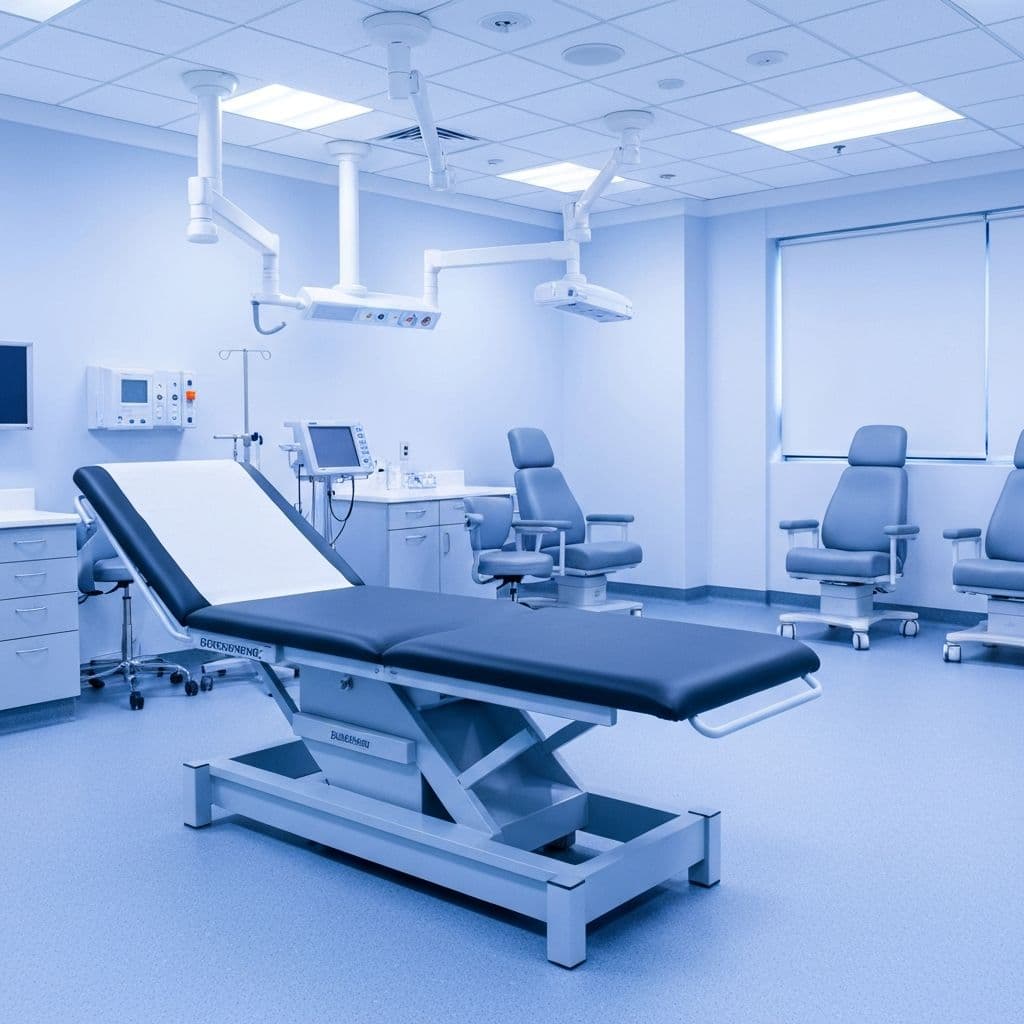
Examination Tables
Medical examination tables and couches
Healthcare Seating
Medical chairs and stools
Medical Trolleys
Medical trolleys and carts
Seating
Patient and clinical seating
Storage Solutions
Medical storage cabinets and units
Storage Solutions
Medical storage cabinets and units
Features & Benefits
Seating is supplied in wipe-clean vinyl suitable for repeated decontamination. Check the upholstery against the cleaning products in your own infection control policy, since some disinfectants degrade certain vinyls over time.
Bariatric and standard widths are available. Specifying only standard widths is a common oversight in a waiting room that serves a general population.
Medical refrigerators carry a calibrated digital display showing current, minimum and maximum, forced air circulation for an even temperature, and an audible alarm for out-of-range excursions. Lockable options are available where controlled or high-value stock is held.
Glass-fronted models let you see contents without opening the door, at some cost in efficiency. Solid doors hold temperature better.
Consider where a fridge will sit before ordering. Most need clearance at the back and sides for the condenser, and one placed against a wall or next to a radiator will cycle harder and fail sooner.
Applications & Use Cases
GP practices and health centres furnishing waiting and consulting rooms.
Private clinics and outpatient departments requiring seating that meets infection control expectations.
Community and hospital pharmacies storing cold chain stock.
Care homes furnishing communal areas and storing residents' medicines.
Dental and veterinary practices requiring wipe-clean seating and vaccine storage.
Vaccination clinics and occupational health services needing calibrated refrigeration with a temperature record.