
0800 061 4489sales@optimisedmedicalsupplies.com
Order by 4pm for next-day UK delivery on stocked items
Open a trade account
Optimised Medical Supplies Ltd
ShopCategoriesHome CareTrade AccountsMedical TransportResourcesAbout UsContact
Cart (0 items)
Optimised Medical Supplies Ltd

UK supplier of medical equipment, PPE, surgical supplies and specialist medical transport.

Quick Links

  • Shop the catalogue
  • Browse categories
  • Home care essentials
  • Trade accounts
  • Medical transport
  • Resources & guides
  • About us
  • Contact

Customer Service

  • FAQ
  • Returns & refunds
  • Terms & conditions
  • Privacy policy
  • Cookie policy
  • GDPR

Contact us

  • Phone

    0800 061 4489
  • Trade enquiries

    sales@optimisedmedicalsupplies.com
  • Registered office

    11 Deakins Road
    Birmingham, B25 8DX
    United Kingdom

  • Hours

    Mon–Fri 08:30-17:30

    Transport: 24/7 on-call

© 2026 Optimised Medical Supplies Ltd. All rights reserved.
Registered in England & Wales, company no. 14185351.

Prices shown exclude VAT unless stated. Goods supplied subject to our terms & conditions.

Home
Shop
Categories
Cart
Account
    1. Home
    2. Resources
    3. Caring at Home
    4. Hand Hygiene for Family Carers: When and How to Wash

    Caring at Home

    Hand Hygiene for Family Carers: When and How to Wash

    Handwashing is the single most effective thing a carer can do to prevent infection. When to wash, when sanitiser is enough, and the spots people miss.

    OMS Clinical Team

    Product Specialists
    29 July 20264 min read
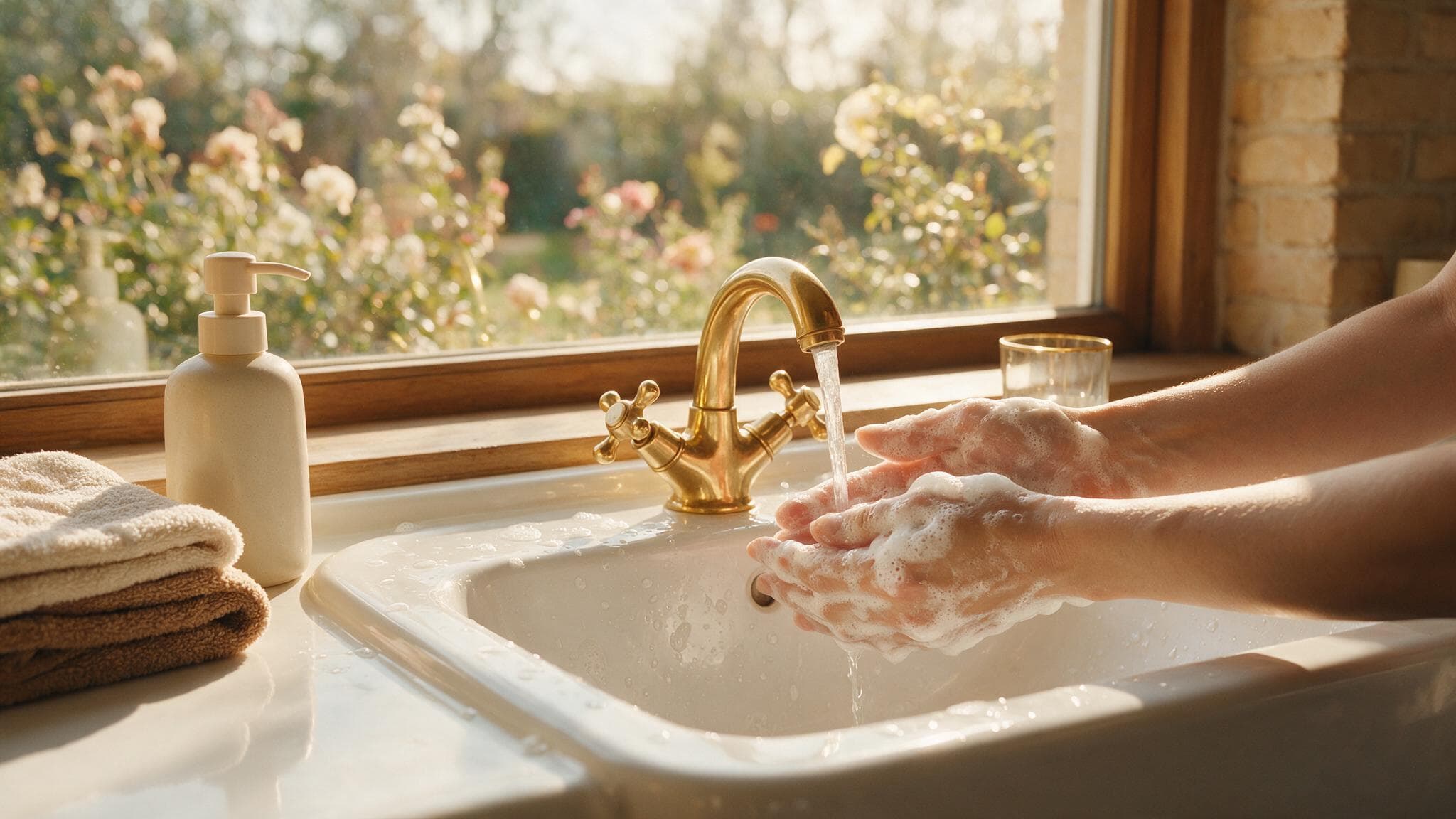
    Hands being washed thoroughly at a home bathroom sink

    Wash your hands with soap and water for at least 20 seconds before and after every care task, and whenever they are visibly dirty. Hand sanitiser is a good stand-in when hands look clean and there is no sink nearby, but it does not replace washing.

    Twenty seconds with soap and warm running water
    Twenty seconds with soap and warm running water

    It sounds almost too simple to matter. It is still, by a distance, the most effective thing any carer does to prevent infection, and it protects you as much as the person you look after.

    When to wash

    • Before and after every care task
    • Before putting gloves on and after taking them off
    • Before preparing or handling food
    • Before helping with medicines
    • After using the toilet, and after helping someone else to
    • After handling laundry, waste or cleaning
    • Whenever your hands look or feel dirty

    The spots people miss

    Most people wash their palms well and little else. The areas that get missed are consistent, and they are the ones worth being deliberate about.

    1. Backs of the hands

    Keep reading

    Related guides

    A man dropping a used insulin needle into a small yellow sharps bin on his kitchen worktop

    Caring at Home

    Sharps Disposal at Home: What to Do With Used Needles

    5 Aug 2026·9 min
    A clean, well organised home bathroom set up for care

    Caring at Home

    Preventing Infection When Caring for Someone at Home

    31 Jul 2026·5 min
  1. Between the fingers
  2. Thumbs, which get missed more than anywhere else
  3. Fingertips and under the nails
  4. Wrists, particularly if sleeves were rolled up
  5. Twenty seconds is longer than it feels. Humming a short tune through twice is a more reliable timer than counting.
    OMS Clinical Team
    Soap, clean towels and sanitiser kept where they are needed
    Soap, clean towels and sanitiser kept where they are needed

    Soap and water, or sanitiser?

    SituationUse
    Hands visibly dirtySoap and water
    After toileting or continence careSoap and water
    Someone has sickness or diarrhoeaSoap and water
    Hands look clean, no sink nearbySanitiser
    Between quick tasks during a visitSanitiser

    The reason soap wins in those first three rows is that some germs, including the ones that cause sickness bugs, are not reliably killed by alcohol gel. Washing physically removes them rather than relying on killing them.

    Looking after your skin

    Washing this often takes a toll. Cracked, sore skin is not just uncomfortable, it is harder to clean properly and more prone to infection. Use a moisturiser regularly, choose a liquid soap rather than a shared bar, and dry hands properly with a clean or disposable towel rather than leaving them damp.

    ···

    Our home care essentials selection includes hand sanitising gel in a pocket size and a refill bottle, plus disposable hand towels.

    Frequently asked questions

    When should a carer wash their hands?
    Before and after every care task, before putting gloves on and after removing them, before handling food or medicines, after toileting, after handling laundry or waste, and whenever hands look dirty.
    Is hand sanitiser as good as washing?
    Not always. Sanitiser is fine when hands look clean and there is no sink nearby, but soap and water are needed when hands are visibly dirty, after continence care, and when someone has sickness or diarrhoea.
    Which parts of the hands get missed?
    Backs of the hands, between the fingers, thumbs, fingertips and under the nails, and the wrists. Thumbs are missed more often than anywhere else.
    All resources

    On this page

    • When to wash
    • The spots people miss
    • Soap and water, or sanitiser?
    • Looking after your skin
    A carer supporting an elderly relative at home

    Caring at Home

    Choosing Gloves for Elderly Care: Size, Material and Fit

    30 Jul 2026·4 min