Choosing Medical Packaging: Grip Seal, Specimen and Sterile Pouches
A buyer's guide to medical packaging — when to use grip seal bags, specimen transport bags and self-seal sterilisation pouches, and how to size and store them.
Packaging is the least glamorous line on a medical order and one of the easiest to get wrong. The wrong bag fails an audit; the wrong pouch fails a sterilisation cycle. This guide covers the three families UK healthcare buyers order most and how to choose between them.
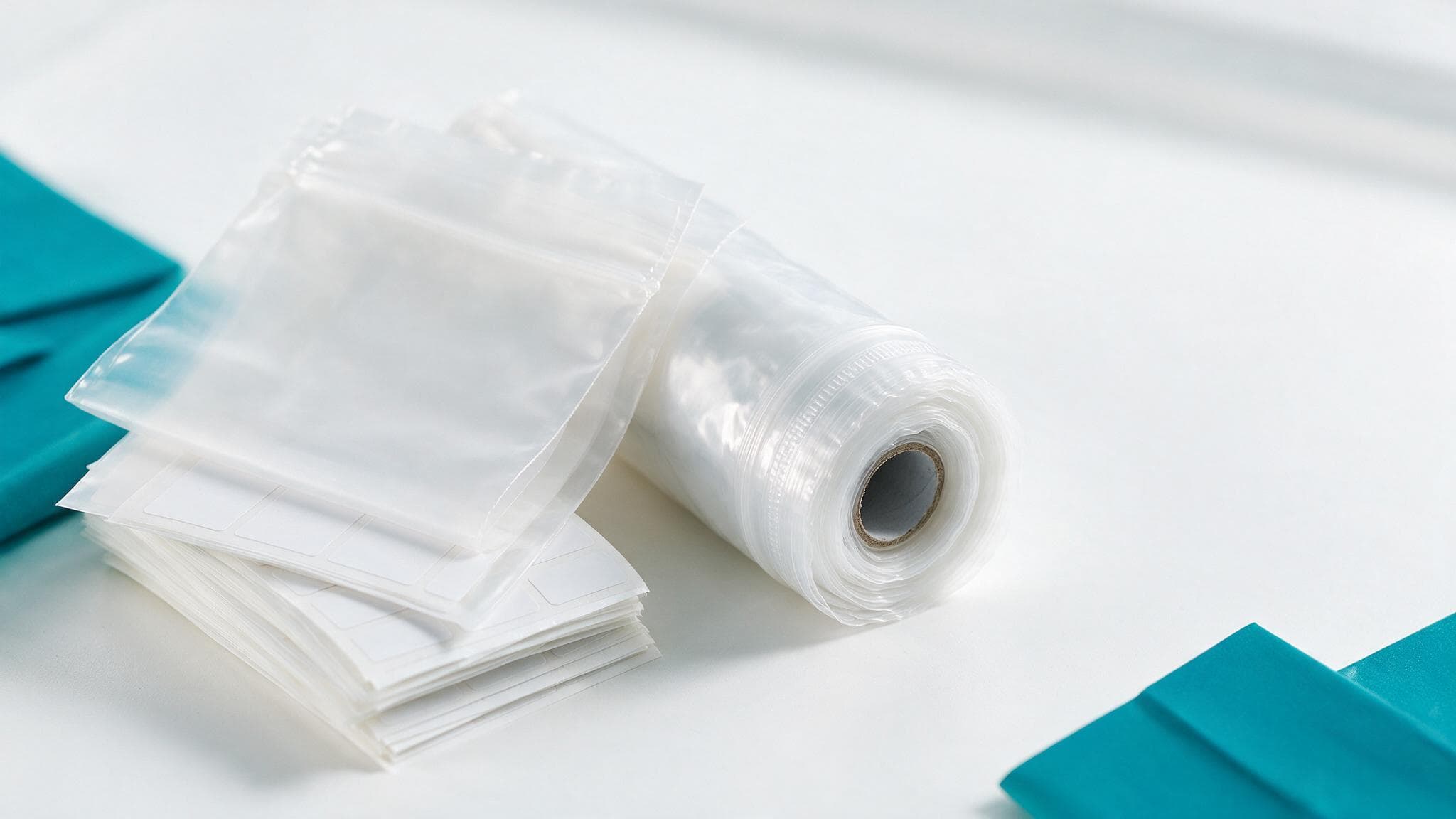
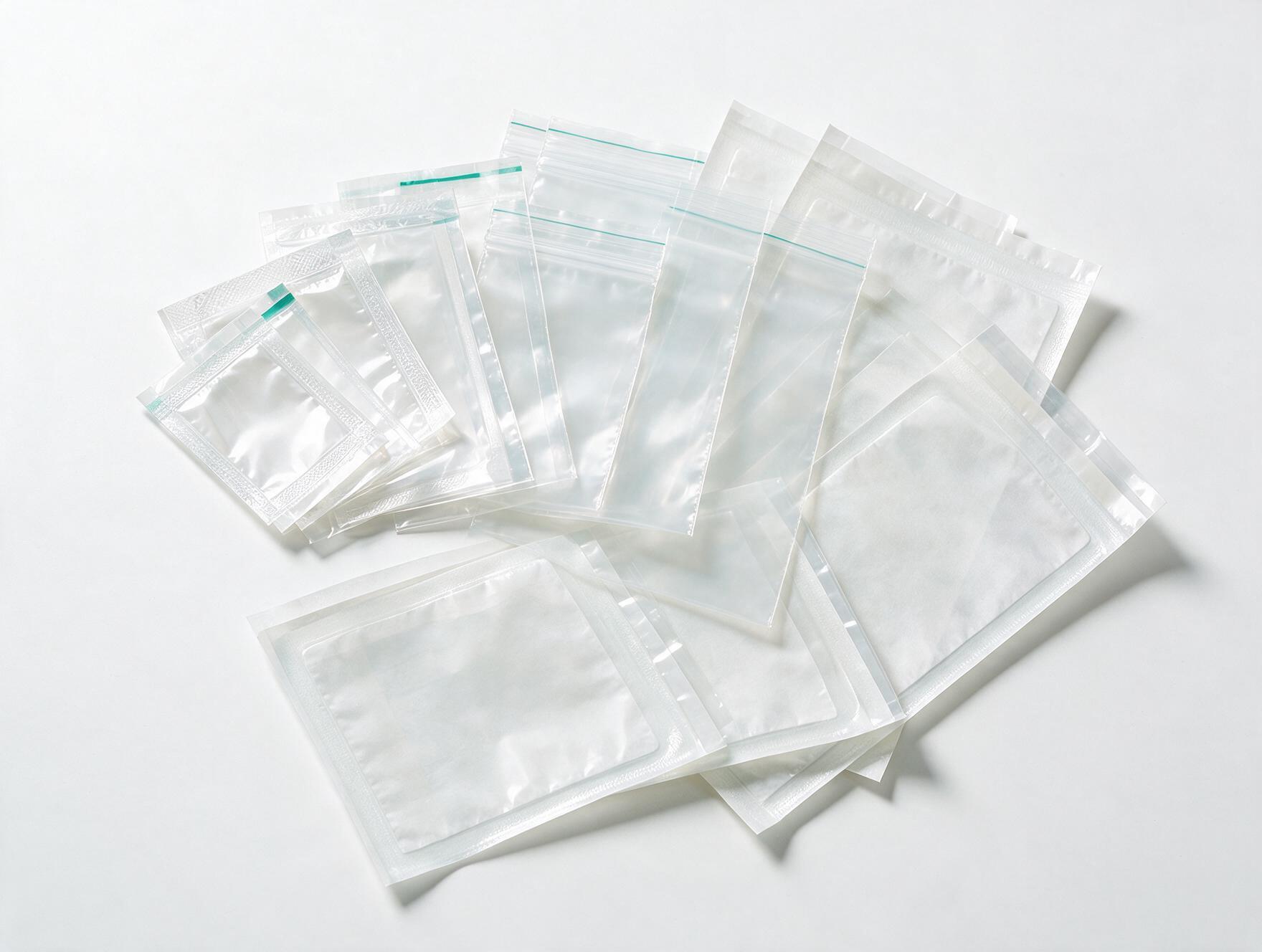
Sterile pouches, grip seal bags and specimen bags arranged on a clinical bench
The three families at a glance
Type
Primary use
Closure
Key feature
Grip seal bag
General storage, small parts, dispensing
Press-to-close zip
Reusable, clear, economical
Specimen transport bag
Pathology samples in transit
Peel-and-seal, tamper evident
Separate document pocket
Sterilisation pouch
Instruments through an autoclave
Self-seal adhesive strip
Process indicator changes colour
Grip seal bags
Grip seal bags are the workhorse. They are clear, resealable and cheap, which makes them suited to storing small components, splitting bulk consumables, and keeping loose items together in a drawer or trolley. They are not a substitute for a specimen bag and should not be used to transport biological samples.
Choose a gauge appropriate to the contents — heavier items need a thicker bag
Write-on panels help where contents must be identified at a glance
Size to the item, not to the shelf — oversized bags waste space and trap air
Specimen transport bags
A specimen bag has a job a grip seal bag cannot do: it separates the sample from the paperwork. The integral document pocket keeps the request form dry and legible if the sample leaks, and the tamper-evident seal shows whether the bag has been opened in transit.
If the request form travels in the same compartment as the sample, one leak costs you both the specimen and the paperwork.
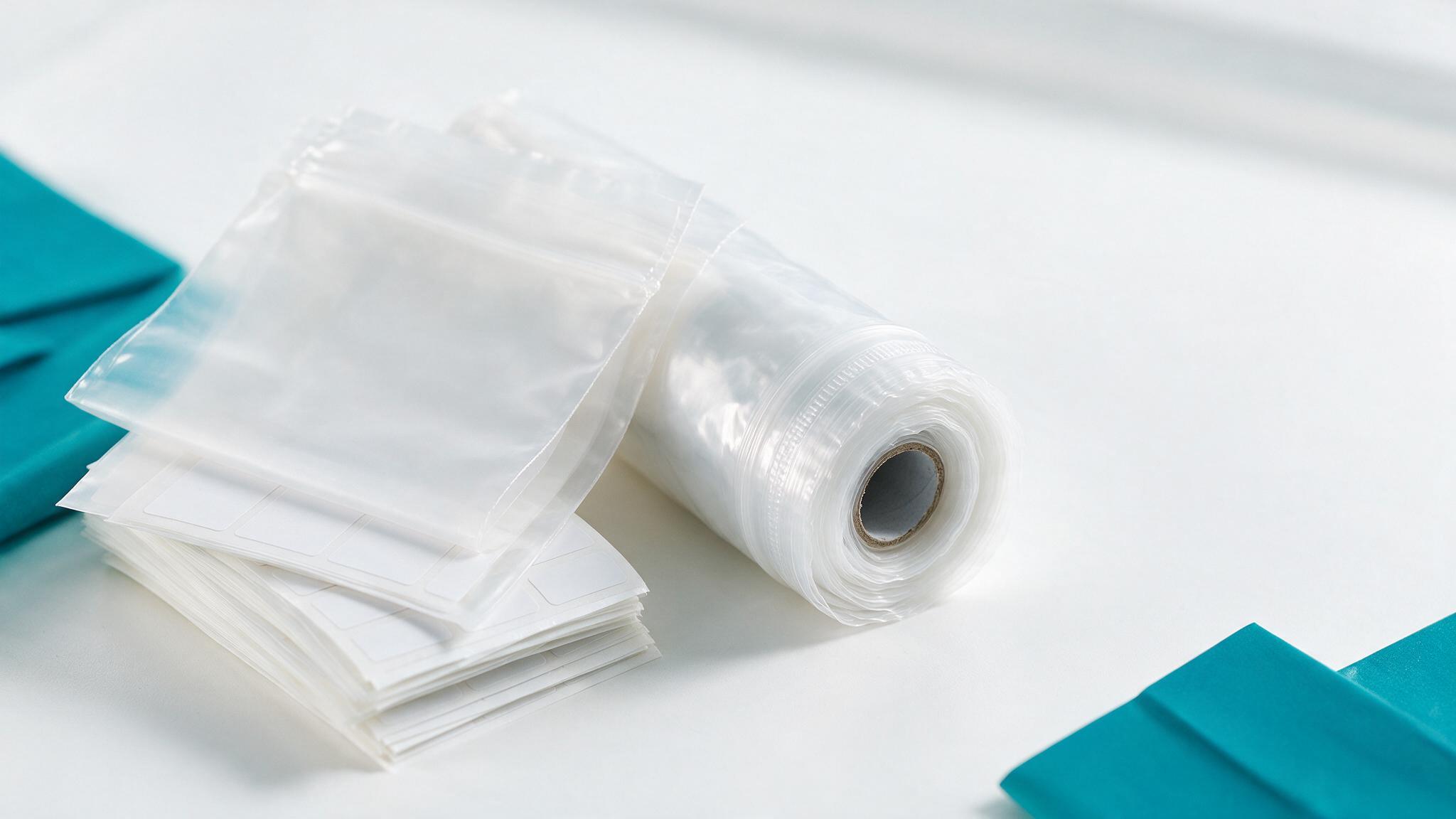
OMS Clinical TeamClear self-seal pouches and specimen bags fanned out for comparison
Sterilisation pouches
Self-seal sterilisation pouches carry instruments through a steam autoclave and keep them sterile until point of use. The printed process indicator changes colour once the cycle conditions have been met — it confirms the pack has been through a process, not that the contents are sterile, which is why cycle records still matter.
Select a pouch that leaves roughly 25mm of free space around the instrument
Place instruments hinged-open so steam reaches every surface
Seal fully along the adhesive strip with no channels or wrinkles
Load the autoclave paper-to-plastic to allow steam penetration and drying
Record the cycle and check the indicator before storing
Storage and stock rotation
Packaging degrades. Adhesives dry out, films yellow, and pouches stored in damp or hot conditions lose seal integrity. Store flat, off the floor, away from direct sunlight and heat, and rotate stock so older packaging is used first.
···
Optimised Medical Supplies stocks over 350 medical packaging lines including grip seal bags, specimen transport bags and self-seal sterilisation pouches. Order before 4pm for next-day dispatch on stocked items.
Frequently asked questions
Can I use a grip seal bag for specimens?
No. Specimen transport bags have a separate document pocket and a tamper-evident seal so the request form stays dry and legible if the sample leaks. A grip seal bag provides neither.
What does the colour change on a sterilisation pouch mean?
The process indicator confirms the pouch has been exposed to the conditions of a sterilisation cycle. It does not by itself certify sterility — cycle records and correct loading are still required.
How should sterilisation pouches be loaded in an autoclave?
Load paper-to-plastic with roughly 25mm of free space around the instrument, hinged items open, so steam can reach every surface and the pack can dry.