0800 061 4489sales@optimisedmedicalsupplies.com
Order by 4pm for next-day UK delivery on stocked items
Open a trade account
Optimised Medical Supplies Ltd
ShopCategoriesHome CareTrade AccountsMedical TransportResourcesAbout UsContact
Cart (0 items)
Optimised Medical Supplies Ltd

UK supplier of medical equipment, PPE, surgical supplies and specialist medical transport.

Quick Links

  • Shop the catalogue
  • Browse categories
  • Home care essentials
  • Trade accounts
  • Medical transport
  • Resources & guides
  • About us
  • Contact

Customer Service

  • FAQ
  • Returns & refunds
  • Terms & conditions
  • Privacy policy
  • Cookie policy
  • GDPR

Contact us

  • Phone

    0800 061 4489
  • Trade enquiries

    sales@optimisedmedicalsupplies.com
  • Registered office

    11 Deakins Road
    Birmingham, B25 8DX
    United Kingdom

  • Hours

    Mon–Fri 08:30-17:30

    Transport: 24/7 on-call

© 2026 Optimised Medical Supplies Ltd. All rights reserved.
Registered in England & Wales, company no. 14185351.

Prices shown exclude VAT unless stated. Goods supplied subject to our terms & conditions.

Home
Shop
Categories
Cart
Account
    1. Home
    2. Resources
    3. Buyer's Guides
    4. Lab Consumables Explained: Tubes, Dishes and Specimen Transport

    Buyer's Guides

    Lab Consumables Explained: Tubes, Dishes and Specimen Transport

    A buyer's guide to everyday laboratory consumables — microcentrifuge tubes, culture dishes, pipette tips and specimen transport, and how to specify each correctly.

    OMS Clinical Team

    Product Specialists
    20 July 20265 min read

    Keep reading

    Related guides

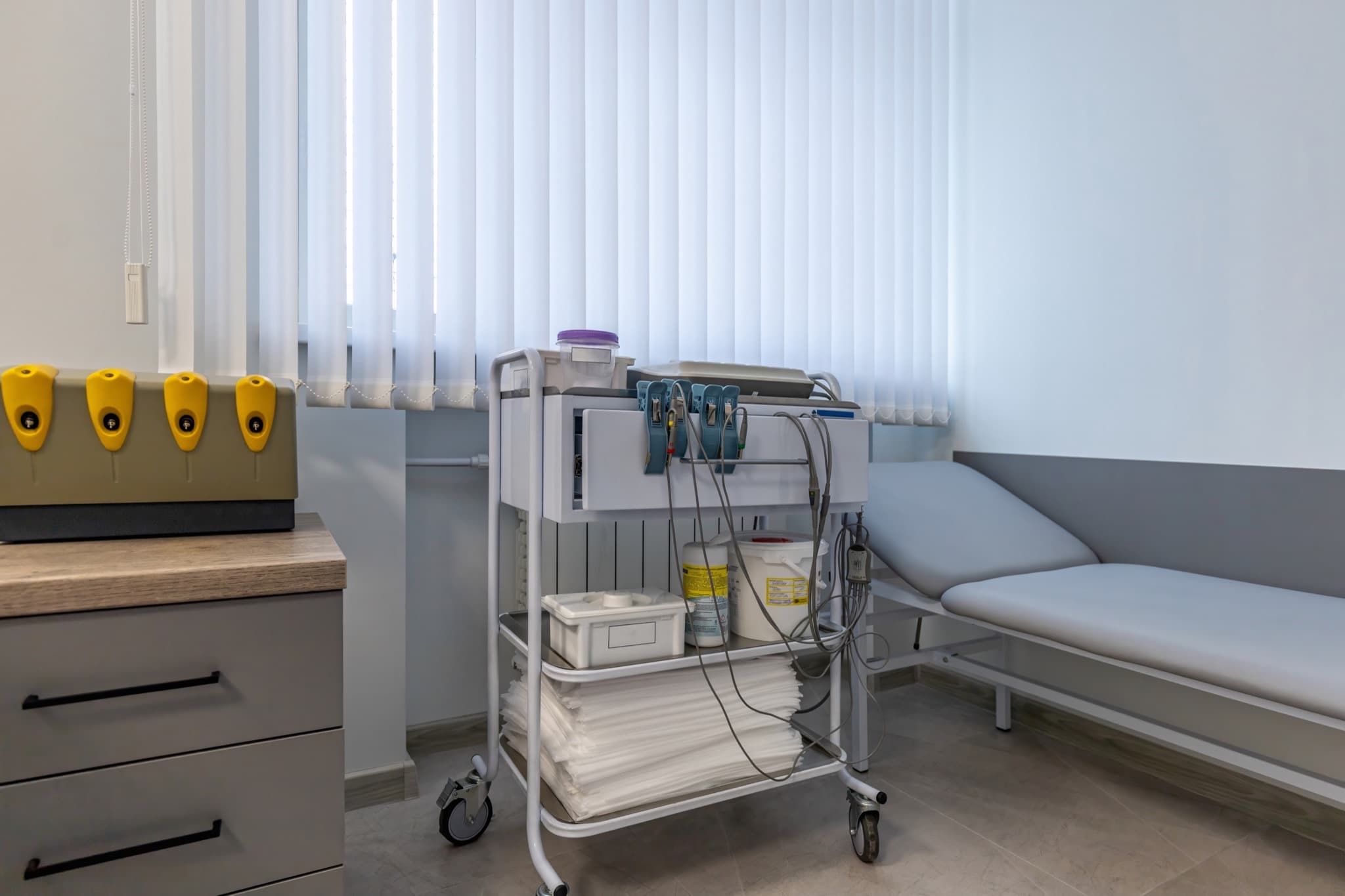
    A white wheeled clinical trolley in a treatment room, with a top drawer, monitoring leads hanging from its front, and open shelves holding stacked paper couch covers, a storage tray and tubs, parked beside an examination couch and a grey drawer unit

    Buyer's Guides

    Medical Storage Trolleys: How to Choose the Height, Tray Size and Tray Depth

    22 Sept 2026·7 min
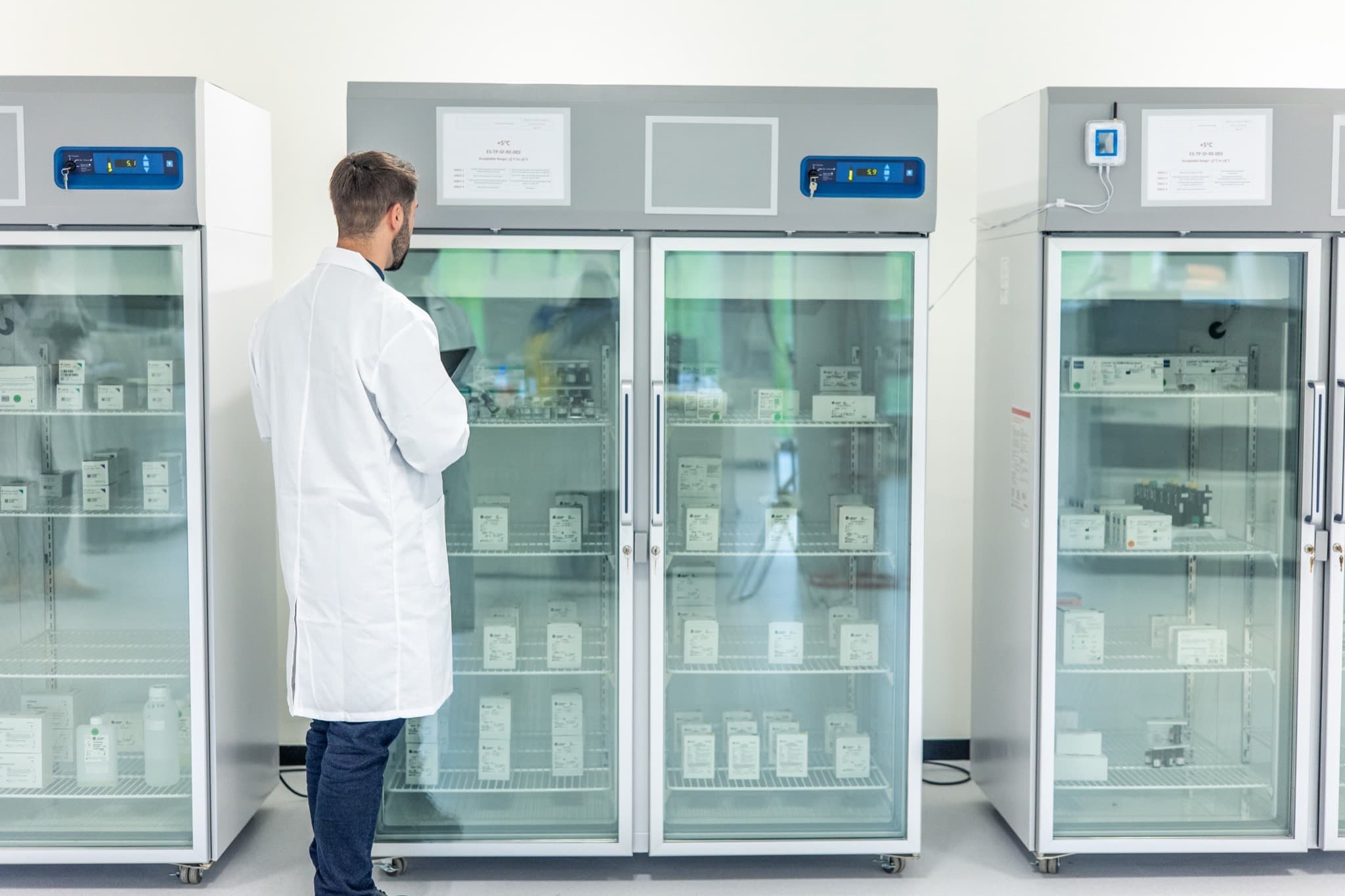
    Three upright glass-door pharmaceutical refrigerators in a row with boxed stock on their shelves and digital temperature controllers above the doors, as a laboratory worker in a white coat checks the middle unit on a tablet

    Buyer's Guides

    Pharmacy Fridges, Lab Fridges and Freezers: Which One You Need

    14 Sept 2026·8 min
    Laboratory consumables including microcentrifuge tubes, petri dishes and a pipette

    Laboratory consumables look interchangeable in a catalogue and are not. Tube wall thickness decides whether a sample survives centrifugation; dish venting decides whether a culture dries out; tip fit decides whether a pipette is accurate. This guide covers what to specify and why.

    Microcentrifuge tubes, stacked petri dishes and a pipette on a laboratory bench
    Microcentrifuge tubes, stacked petri dishes and a pipette on a laboratory bench

    Microcentrifuge tubes

    The common 1.5ml snap-lid tube is the default for sample handling. The specification that matters most is the rated g-force — a tube rated below your rotor speed will deform or split.

    SpecificationWhy it matters
    Rated g-forceMust exceed the maximum speed of your rotor
    Lid typeSnap lids are fast; screw caps seal better for storage
    GraduationsMoulded graduations survive solvents; printed ones do not
    AutoclavableRequired if tubes are sterilised in house
    SterilityPre-sterilised where downstream work is contamination sensitive

    Culture and petri dishes

    • Vented dishes allow gas exchange for CO2 incubation and reduce condensation
    • Non-vented dishes hold humidity better for short incubations
    • Stackable rims matter more than they sound when incubator space is tight
    • Optical clarity is essential where colonies are counted under a microscope
    Clear stacked culture dishes and tube racks arranged on a clean bench
    Clear stacked culture dishes and tube racks arranged on a clean bench

    Pipette tips

    Tips are the most common source of quiet inaccuracy in a laboratory. A tip that does not seal properly on the pipette shaft delivers less than the set volume every single time, and the error is invisible without calibration.

    1. Match the tip to the pipette manufacturer or verify fit before bulk ordering
    2. Use filter tips where aerosol carryover would contaminate downstream work
    3. Choose low-retention tips for viscous or protein-rich samples
    4. Confirm sterility and DNase/RNase-free status where molecular work demands it
    A poorly fitting tip is not a small problem — it is a systematic error applied to every result until someone calibrates.
    OMS Clinical Team

    Specimen transport

    Samples leaving the laboratory must be packaged so that a leak does not compromise the paperwork or the handler. Use a specimen transport bag with an integral document pocket, and check whether the sample falls under UN3373 packaging requirements for biological substances in transit.

    ···

    Optimised Medical Supplies stocks laboratory consumables including microcentrifuge tubes, culture dishes, pipette tips and specimen transport bags. Order before 4pm for next-day dispatch on stocked lines.

    Frequently asked questions

    What g-force rating do microcentrifuge tubes need?
    The tube rating must exceed the maximum speed of your rotor. A tube rated below the speed it is spun at can deform or split, losing the sample.
    Should I use vented or non-vented petri dishes?
    Vented dishes allow gas exchange for CO2 incubation and reduce condensation. Non-vented dishes hold humidity better for short incubations.
    Why does pipette tip fit matter?
    A tip that does not seal on the pipette shaft delivers less than the set volume every time. The error is systematic and invisible until the pipette is calibrated.
    All resources

    On this page

    • Microcentrifuge tubes
    • Culture and petri dishes
    • Pipette tips
    • Specimen transport
    A pharmacy dispensary bench with sheets of small coloured ancillary labels, a dispensed medicine box and a basket, photographed from above under even light

    Buyer's Guides

    Pharmacy Ancillary Labels: What Each One Is Actually For

    12 Sept 2026·7 min

    From our catalogue

    Tubes and consumables

    Browse the full range
    1.5ml Microcentrifuge Tube with Integral Snap Lid

    1.5ml Microcentrifuge Tube with Integral Snap Lid

    In Stock

    Delivery as soon as Thursday 29 October

    £34.63

    Inc. VAT

    Centrifuge Tube – 15ml

    Centrifuge Tube – 15ml

    In Stock

    Delivery as soon as Thursday 29 October

    £144.65

    Inc. VAT

    Centrifuge Tube – 50ml

    Centrifuge Tube – 50ml

    In Stock

    Delivery as soon as Thursday 29 October

    £193.55

    Inc. VAT

    Microcentrifuge Tube – 2ml Non-Sterile (Without Cap)

    Microcentrifuge Tube – 2ml Non-Sterile (Without Cap)

    In Stock

    Delivery as soon as Thursday 29 October

    £134.47

    Inc. VAT