Buyer's Guides
UN3373 Specimen Transport: What P650 Packaging Requires
Most diagnostic samples travel as UN3373 Category B. The rules are specific, and the part people get wrong is usually the absorbent layer.
OMS Clinical Team
Product Specialists
Buyer's Guides
Most diagnostic samples travel as UN3373 Category B. The rules are specific, and the part people get wrong is usually the absorbent layer.
OMS Clinical Team
Product Specialists
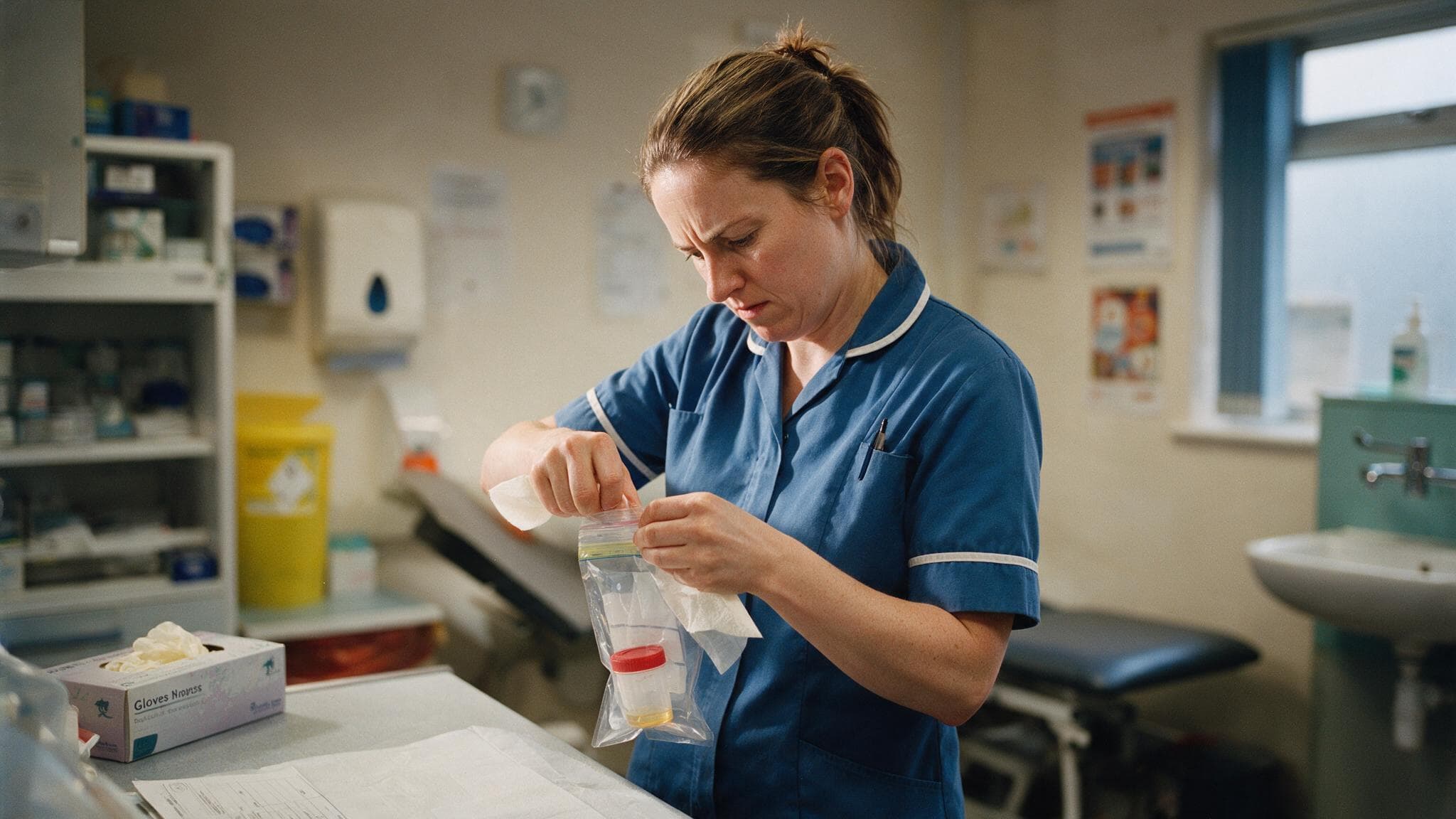
Diagnostic samples sent for testing almost always travel as UN3373, Biological Substance Category B. That classification brings a specific packaging standard called P650, and it applies whether the sample goes by courier, by Royal Mail or in a practice car.
Category A covers infectious substances capable of causing life-threatening or fatal disease, and carries far heavier requirements. Category B is everything else: routine blood, urine, swabs, stool and tissue samples sent for diagnosis. If you are a GP practice, a pharmacy running a testing service or a care home sending samples, you are almost certainly dealing with Category B.
The distinction matters because people occasionally assume any clinical sample needs Category A packaging, which is expensive and unnecessary, or assume nothing applies at all, which is worse.
P650 specifies triple packaging. Three layers, each doing a different job, and the standard is the same across IATA for air, ADR for road and IMDG for sea.
The absorbent layer is the one most often missed. A specimen bag with a document pouch but no absorbent pad does not meet P650, however official it looks. If the pot cracks in transit, there must be enough absorbent to hold everything that comes out.
Category B does not need UN-certified outer packaging in the way Category A does, but the packaging must still meet performance criteria. The completed package has to survive a 1.2 metre drop test, and at least one outer surface must measure a minimum of 100mm by 100mm so the marking is legible.
That size requirement is why very small padded envelopes are not suitable, even if everything inside is correct.
The outer packaging must carry the UN3373 diamond marking and the words 'Biological Substance, Category B' adjacent to it. The marking is a specific diamond shape with the letters UN3373 inside, not a general biohazard symbol, and the two are not interchangeable.
The sender's and receiver's details go on the outer packaging as well. If the sample is being sent by a route that requires a responsible person to be contactable, that name and number belongs on the package rather than only in the paperwork.
Buying a bag described as UN3373 compliant does not make the shipment compliant. The bag is one layer of three, and compliance is a property of the assembled package.
Category B samples can go by Royal Mail provided P650 is met and the service used permits it. Specialist medical couriers handle them routinely and will usually tell you what they expect. Either way the responsibility for correct packaging sits with the sender, not the carrier.
If you use a courier, ask whether they require anything beyond P650. Some operate their own additional rules, particularly on outer packaging rigidity.
Do not overfill the primary receptacle. A pot filled to the brim is far more likely to leak under pressure changes, and the absorbent is sized against the contents rather than the container.
Keep the request form outside the secondary packaging, in the document pouch. A form soaked in a leaked sample is unreadable, and the laboratory may reject the whole thing.
Store packaging components together and check stock of the absorbent separately from the bags. Running out of absorbent while holding a thousand bags is the usual way a practice ends up sending a non-compliant package.
From our catalogue
Delivery as soon as Wednesday 23 September
Inc. VAT
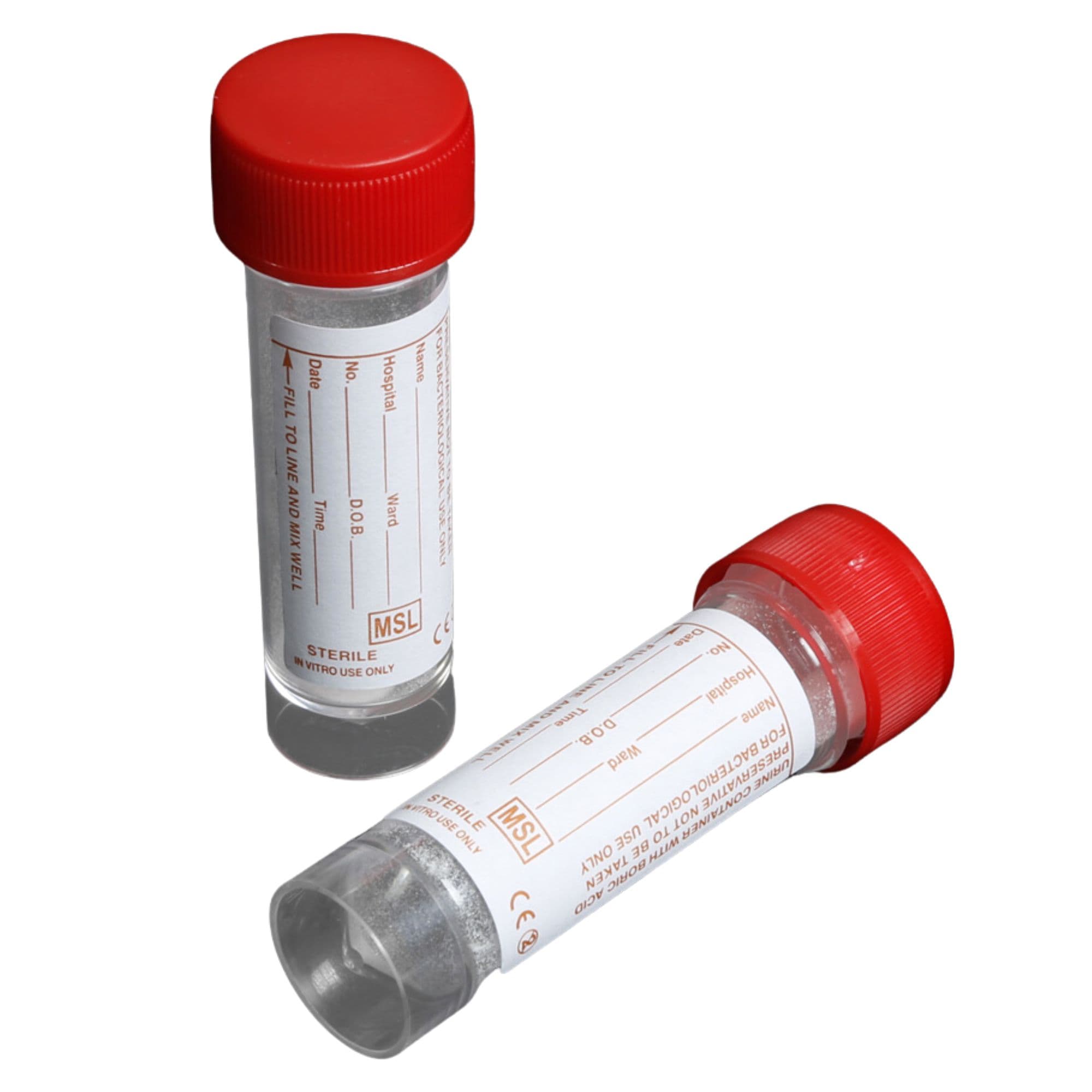
Delivery as soon as Wednesday 23 September
Inc. VAT
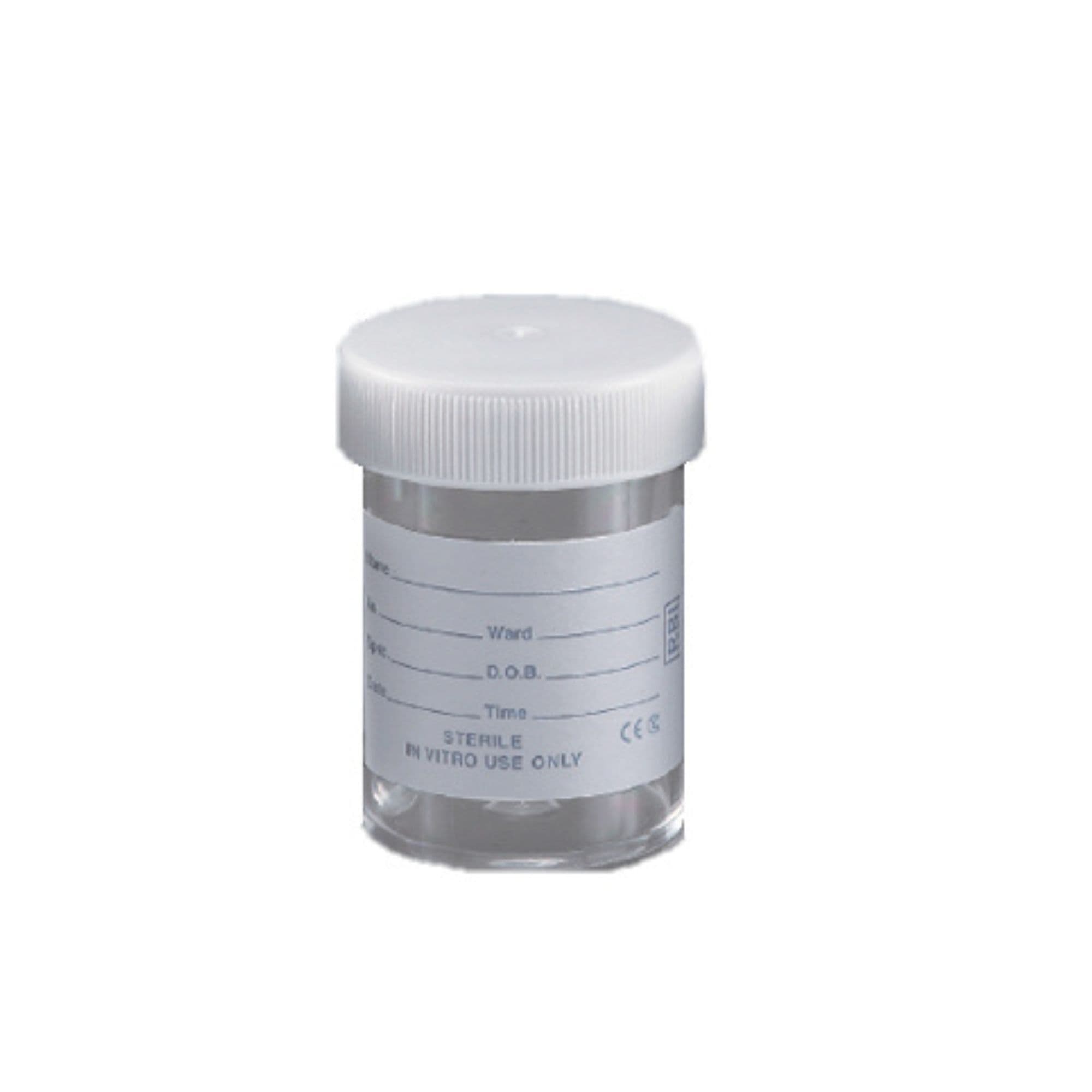
Delivery as soon as Wednesday 23 September
Inc. VAT
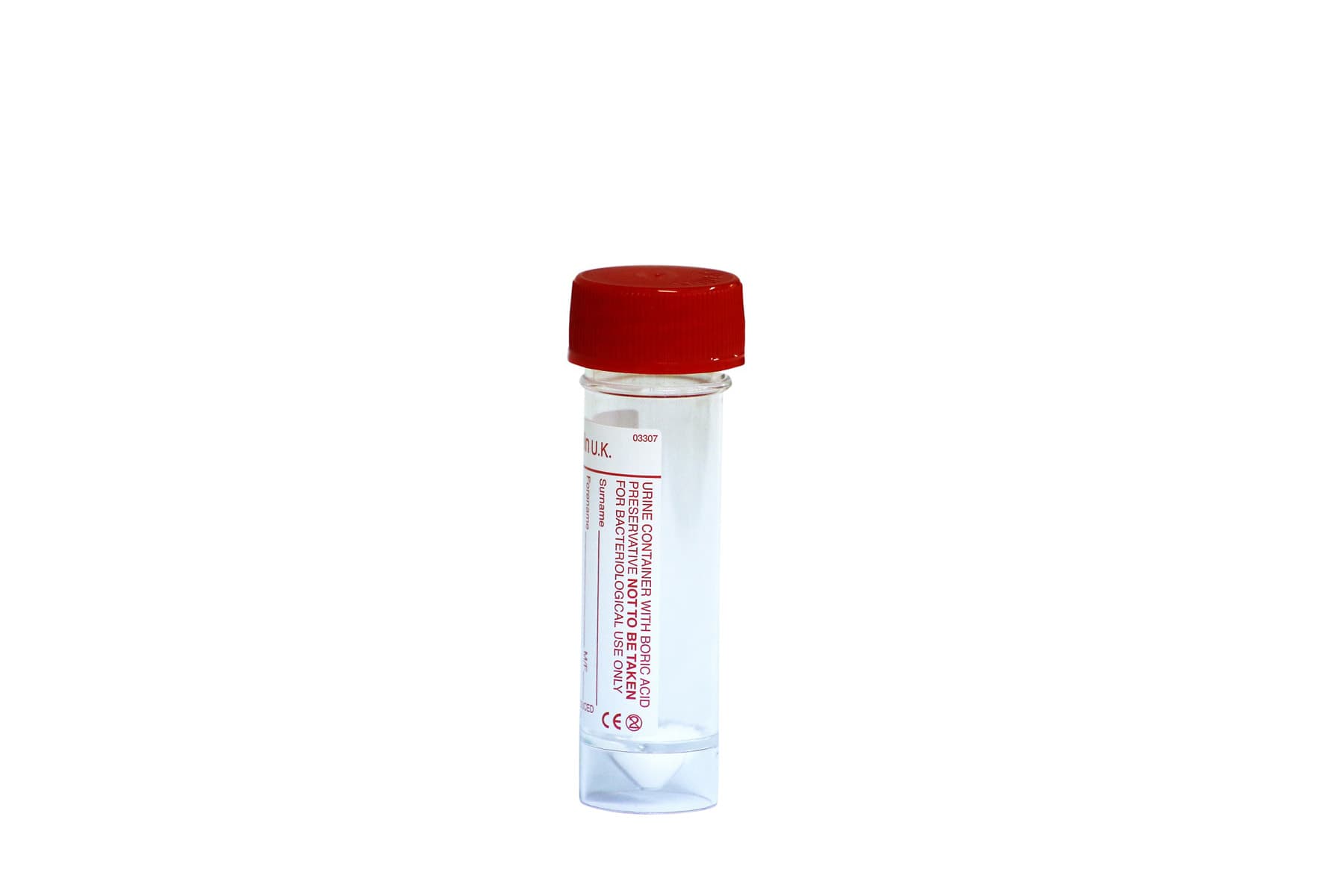
Delivery as soon as Wednesday 23 September
Inc. VAT